Filter systems (7 Products)
7 Products
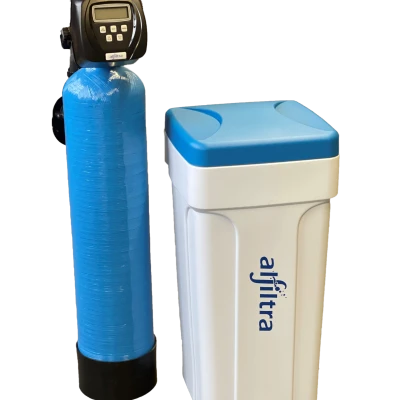
Entnitratisierungsanlage NO3 Basic
Vollautomatische, einsäulige Entnitratisierungsanlage mit elektronischem, wassermengengesteuertem Steuerventil Clack WS1-Cl, Sicherheitsschwimmerventil zum Schutz vor Überlaufen des Salzbehälters, Glasfaserverstärkter Qualitätsdrucktank bis 10 bar, entfernt Nitrat nachweisbar
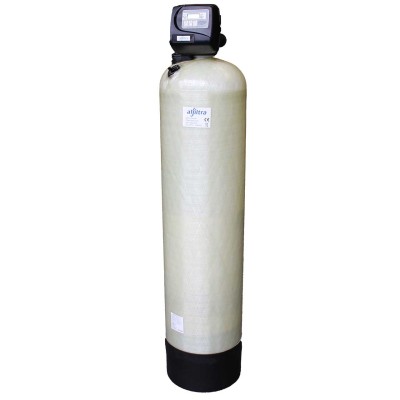
FCA 30 Entsäuerungsanlage
Entsäuerungsanlage zur Stabilisierung und Anhebung des ph-Wertes im Trinkwasser, selbstregulierende Eigenschaft durch natürliches Kalziumkarbonat, bei Kontakt mit saurem Wasser löst sich das Material auf bis der ph-Wert im neutralen Bereich liegt
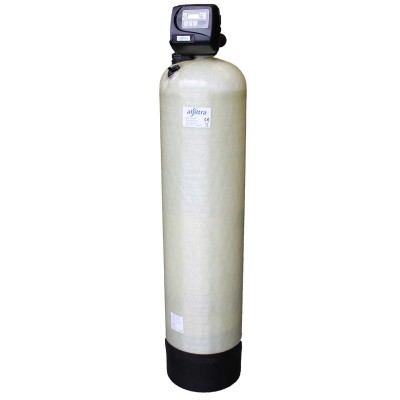
FCA 50 Entsäuerungsanlage
Entsäuerungsanlage zur Stabilisierung und Anhebung des ph-Wertes im Trinkwasser, selbstregulierende Eigenschaft durch natürliches Kalziumkarbonat, bei Kontakt mit saurem Wasser löst sich das Material auf bis der ph-Wert im neutralen Bereich liegt
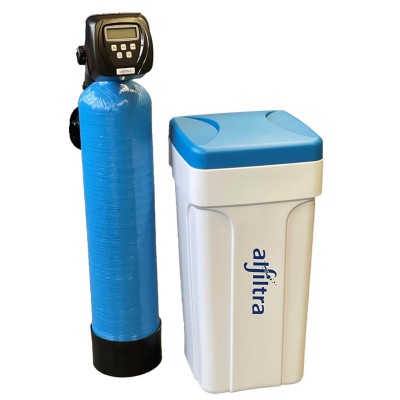
PENTA Multi-Filteranlage
Mehrzweckfilteranlage speziell für Brunnenwasser mit vollautomatischer Steuerung Clack WS 1 im Kabinettgehäuse, entfernt: Gesamt-Härte, gelöstes Eisen, gelöstes Mangan, Organik und Ammonium - für jeden Wasserverbrauch die passende Kapazität
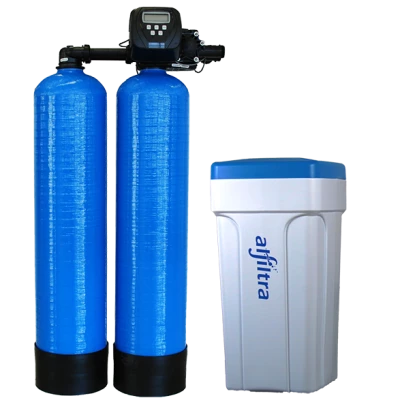
PENTA DUPLEX Multi-Filteranlage
zweisäulige Mehrzweckfilteranlage für Brunnenwasser oder Wasser aus Eigenversorgung mit vollautomatischer Steuerung Clack WS 1 im Kabinettgehäuse, entfernt: Gesamt-Härte, gelöstes Eisen, gelöstes Mangan, Organik und Ammonium - für jeden Wasserverbrauch die passende Kapazität
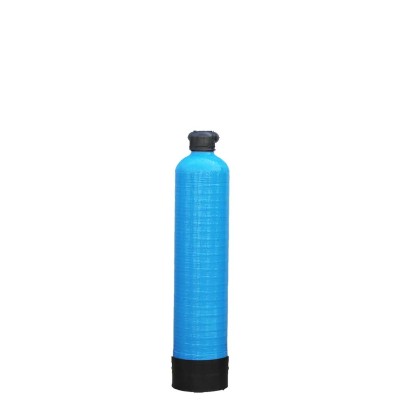
Mischbett-Vollentsalzungspatrone 20 Liter
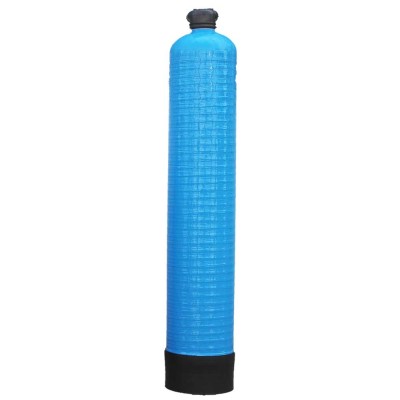
Mischbett-Vollentsalzungspatrone 50 Liter
Well water filtration systems: Clean water for safe consumption
Filtration systems play a crucial role in purifying well water by removing both naturally occurring substances and contaminants caused by human activity. These systems ensure that the water is safe, clean, and suitable for human consumption.
What is a filter system and what is its purpose?
Filtration systems are specialized systems designed to remove contaminants from well and groundwater. They utilize various technologies to filter pollutants such as nitrates, iron, manganese, and organic compounds. Here is an overview of the main functions of filtration systems:
1. Removal of contaminants
A filtration system cleans the water by filtering out pollutants that either occur naturally in the water or enter it through human activities such as agriculture. This ensures safe water quality.
2. Nitrate removal
High nitrate levels in well water are often due to agricultural fertilizers. Ion exchange filtration systems can effectively remove nitrate from the water. This improves water quality and makes it safer for everyday use.
3. pH optimization
If the pH value of the well water is too low (below 6.5), the water can be corrosive and damage pipes and household appliances. Filtration systems neutralize the water by adding calcium or sodium to stabilize the pH value and make the water less aggressive.
4. Removal of manganese and iron
Manganese and iron in water can lead to discoloration and deposits. Filtration systems reliably remove these metals, significantly improving water quality and preventing corrosion damage to pipes and appliances.
5. Water softening
Hard water contains high concentrations of calcium and magnesium, which can lead to limescale deposits. Water softeners remove these minerals, extending the lifespan of appliances and increasing efficiency.
6. Disinfection by UV radiation
Well water can be contaminated with bacteria and germs, especially in agricultural areas. Filtration systems with UV disinfection technology eliminate harmful microorganisms, making the water safe for consumption.
7. Special filters for specific pollutants
Some filtration systems are equipped with special filter media that specifically remove pollutants such as pesticides, heavy metals, or other chemical contaminants from the water. This makes the water even safer and protects against potential health risks.
The advantages of filter systems
Filtration systems offer a variety of advantages, especially for households that use well water:
- Improved water quality: Filtration systems deliver clean, clear water, free from harmful contaminants.
- Health protection: By removing pollutants and pathogens, they actively contribute to health protection.
- Longer appliance lifespan: Softened and filtered water protects household appliances and pipes from limescale and corrosion, thus extending their lifespan.
- Environmental friendliness: The use of filter systems reduces the need for disposable water bottles and thus contributes to the reduction of plastic waste.
Conclusion: Filtration systems for clean and safe well water
Filtration systems are a worthwhile investment for households that use well water. They offer comprehensive solutions for removing impurities, optimizing pH levels, softening, and disinfection. This ensures that the water meets the highest quality standards and is safe for consumption.
Latest Reviews
Do you have questions?
0725 1936760Contact form
Request a quote
Dealer registration
Product: BASIC water softener
The resin cartridges in your Basic 40 softening system generally do not need to be replaced because they regenerate themselves. The regeneration of the resin is an automated process that takes place during the cleaning cycles of the system. Here are some details:
Regeneration process: During regeneration, the resin is flushed with a salt solution, which dissolves and removes the accumulated calcium and magnesium ions (which are responsible for water hardness) from the resin. This “renews” the resin and can be used effectively to soften water again.
Regular cleaning: This regeneration is carried out regularly, depending on the amount of water used and the hardness of the water. In a 4-person household with a water hardness of 20° dH, the system will regenerate more frequently to ensure efficiency.
No replacement necessary: As long as the system is properly maintained and the regenerating salt is topped up regularly, the resin cartridges do not need to be replaced. However, you should regularly inspect and maintain the system to ensure its longevity and optimal performance.
In summary, the resin cartridges in your Basic 40 system are maintained effectively by the built-in regeneration process and therefore do not require regular replacement.
Product: BASIC water softener
It is best to let the salt empty until the water is visible.
Then refill and ideally not full to the brim so that there is not too much weight on the salt.
If you keep filling the container without waiting until you see the water at the bottom, clumps can occur.
Product: BASIC water softener
According to the DIN standard, maintenance should be carried out by a specialist at least every 12 months to ensure optimal function and safety of the system.
However, our water softening systems are designed to be so reliable that many customers carry out regular checks themselves. As long as the system is working properly and no problems occur, there are no legal requirements that make maintenance mandatory. Nevertheless, we recommend checking the system regularly and calling in a specialist if necessary to ensure long-term safety and efficiency.
Product: Mischbett-Vollentsalzungspatrone 50 Liter
This can be easily disconnected and reconnected for maintenance or replacement work.
Product: BASIC water softener
If our fitters are not completely sure, we are happy to offer an on-site appointment. But this is the absolute exception.
More on the topic
How does the Alfiltra PENTA multi-filter system work? Filtration stages, areas of application and technical details explained.
How does UV disinfection work for drinking water? Its mode of action, areas of application, and advantages over chemical disinfection.
How are microorganisms removed from drinking water? A comparison of UV disinfection, filtration, and chlorination.

Why is nitrate in drinking water dangerous? Limit values, health risks, and how you can protect your water.
Tested & Certified